A Practical Guide to Selecting the Right Solenoid Valve
Why Solenoid Valve Selection Matters
Solenoid valves are critical components in countless industrial systems, from fluid control in energy and manufacturing to precision dosing in food processing. In the oil and gas sector especially, these valves are integral to systems where uptime, performance, and safety are paramount. A solenoid valve failure can result in costly downtime or even risk to personnel and assets. That's why choosing the correct valve type, material, and configuration is essential from the start.
What Is a Solenoid Valve?
A solenoid valve is an electromechanical device used to control the flow of liquid or gas. When electric current passes through the solenoid coil, it generates a magnetic field that actuates a plunger or piston, opening or closing the valve. Solenoid valves are typically used in automated systems where electrical signals trigger fluid control without manual intervention.
It is important to distinguish between a solenoid valve and an electro-controlled valve. While both are electrically actuated, a solenoid valve is a fully integrated unit, whereas an electro-controlled valve has a separable actuation mechanism.
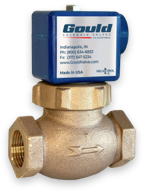
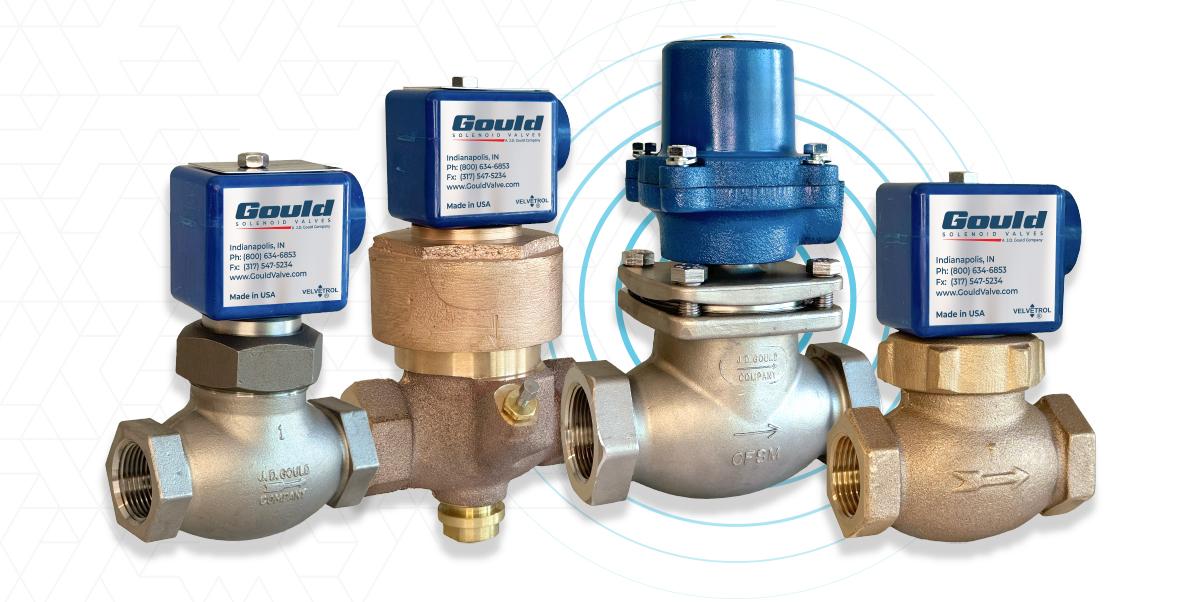
Each solenoid valve consists of two main parts: the solenoid coil and the valve body. The coil functions as an electromagnet, while the valve body directs or stops fluid flow.
Some of the core components include:
- The valve body, which houses ports, orifices, and flow channels.
- The solenoid tube assembly, guiding the movement of the plunger.
- The plunger, made from magnetically responsive steel, which shifts under the influence of the coil's magnetic field.
- A spring, which returns the plunger to its default position when the coil is de-energized.
- A seat seal, which ensures closure of the valve's orifice.
- The electromagnet (solenoid coil), which initiates the actuation process.
Key Considerations for Choosing a Solenoid Valve
Media Compatibility
Start with understanding the media the valve will control. This includes whether it's a neutral fluid like water or a corrosive substance like acid, steam, or petroleum. For general-purpose applications, brass valves are suitable for water, air, or inert gases. In contrast, stainless steel or 316 stainless steel is recommended for aggressive or food-grade media due to its corrosion resistance and hygienic properties. Remember to consider both the internal fluid and external cleaning chemicals, especially in industries like food and beverage.
Seal Material Selection
The choice of seal is equally important and should align with the temperature range and chemical profile of your application. Nitrile rubber (Buna-N) is a versatile choice but has limited resistance to acids. EPDM works well with hot water and some alkalis, while Viton is suitable for high-temperature applications and exposure to fuels. PTFE (Teflon) offers excellent chemical and temperature resistance but lacks elasticity, making it more prone to leakage in gas applications if not properly specified.
Temperature and Pressure Requirements
Every solenoid valve has an operational envelope. Plastic-bodied valves are fine for room temperature water but will degrade under high heat or pressure. For steam, hot oil, or high-pressure fluids, look for metal-bodied valves rated for such extremes. Pressure differential is also critical. If your system has no pressure differential, a direct-operated valve is required. For systems with sufficient flow pressure, a pilot-operated valve will offer more efficient control.
Operational Type: NO, NC, or Bistable?
Solenoid valves come in various configurations:
- Normally Closed (NC) valves remain closed when unpowered and open when current is applied.
- Normally Open (NO) valves do the opposite.
- Bistable or latching valves maintain their position even if power is lost, which can be valuable for energy conservation or emergency fail-safes.
The correct configuration depends on whether the default state of your valve should be open or closed during a power failure, and how often it will be actuated.
Environmental Considerations and NEMA Ratings
Where the valve is located will determine what kind of enclosure you need. For instance:
- NEMA 1 is suitable for indoor, dry conditions.
- NEMA 4 and 4X protect against water spray and corrosion—ideal for washdown areas.
- NEMA 5 is for dusty environments like dry goods processing.
- NEMA 7 is rated for hazardous locations where flammable gases are present.
Gould Solenoid Valves offers a wide range of NEMA-rated enclosures tailored to specific industrial environments.
Port Size, Flow Rate, and Connection Standards
Solenoid valves are typically defined by their nominal diameter (DN). Make sure the valve size matches your system’s flow requirements. It's also important to follow connector and piping standards that are common in your industry or region. For specialized setups, consult your engineering team or supplier to avoid compatibility issues.
Direct-Operated vs. Pilot-Operated Valves
A pilot-operated solenoid valve requires a minimum pressure differential to function and is best used in high-flow, high-pressure systems. These valves use system pressure to assist in actuation, which reduces the coil's power demand.
Direct-operated valves, on the other hand, act directly on the valve seal and require no pressure differential. They are ideal for low-pressure or zero-pressure applications but may require more electrical power.
Why Choose Gould Solenoid Valves?
Gould Solenoid Valves brings over 70 years of American manufacturing experience to every valve we produce. Built in Indianapolis, our valves feature cast valve bodies, precision-machined components, and seals suited to a wide range of media and temperatures. We provide:
- Custom-built solenoid valves to match your exact specs
- Expert guidance for material and enclosure selection
- Fast lead times with a large in-stock inventory
Whether you're managing an oilfield, a processing plant, or an industrial automation system, Gould Solenoid Valves deliver the reliability and performance your operation depends on. Need help? Contact our team for more information or to request a quote.