Inspection Checklist for Pressure Tanks and Solenoid Valve Systems
Why Pressure Tank Inspections Matter
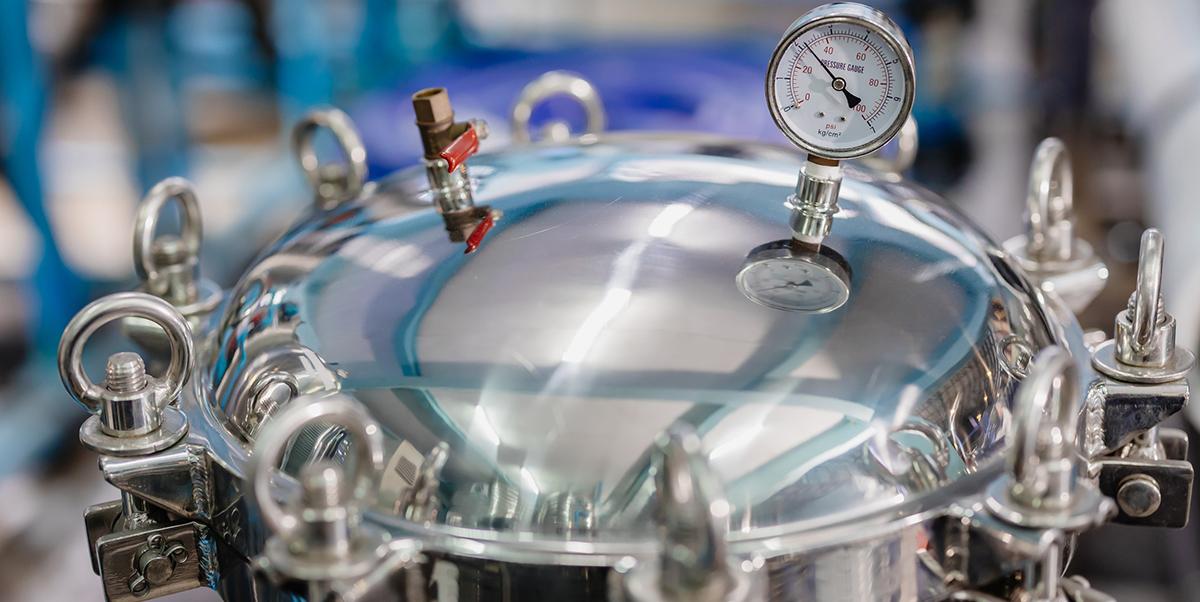
Pressure tanks play an essential role in maintaining consistent system pressure in a variety of industrial and commercial applications, from HVAC to irrigation and water supply systems. These tanks often operate alongside solenoid valves, which regulate fluid flow based on electrical signals. To avoid system inefficiencies, safety hazards, or complete failure, regular inspections are critical.
This guide covers the types of pressure tanks and related equipment, outlines common inspection areas, and details how to evaluate solenoid valve function as part of a preventative maintenance program.
Types of Pressure Tanks and Related Equipment
Understanding the equipment, you’re working with is the first step in a successful inspection.
Pressure Tanks
- Diaphragm Tanks: Use a flexible diaphragm to separate air and water; common in HVAC and well systems.
- Bladder Tanks: Contain a replaceable bladder to maintain pressure and prevent waterlogging.
- Air-over-Water Tanks: Older design using compressed air as a cushion—less efficient over time.
Boilers
- Hot Water Boilers: Pressurized water distribution systems for heating or processing.
- Steam Boilers: High-pressure systems requiring regular pressure level checks to avoid over-pressurization.
Storage Tanks
- Water Storage Tanks: Pressurized storage for potable water, industrial use, or fire suppression.
- Fuel & Chemical Tanks: Require pressure monitoring and inspection of relief valves and leak prevention systems.
Heat Exchangers
- Shell & Tube: Large-volume systems requiring stable pressure flow to maintain heat transfer.
- Plate Heat Exchangers: High-efficiency units requiring consistent pressure to prevent leaks or cross-contamination.
Common Pressure Tank Features to Monitor
Pressure tanks vary in capacity, materials, and operating range. Whether the tank holds 20 gallons or over 1,000, all share some critical features that must be inspected:
- Capacity Rating: Ensure the tank size matches system demand.
- Material: Steel, stainless steel, or composites must resist corrosion and pressure cycling.
- Operating Pressure: Confirm pressure is within the manufacturer’s rating (e.g., 30–100 PSI for residential; higher for industrial).
- Relief Valves: Inspect for proper function and signs of corrosion or leaks.
Solenoid Valve Function in Pressurized Systems
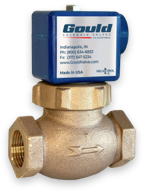
Solenoid valves control fluid or gas movement by opening or closing a passage with electromagnetic force. When paired with pressure tanks, they help automate flow control, shutoff, or directional changes.
Inspection Points:
- Valve Response: Confirm the valve opens and closes in response to electrical commands.
- Coil Health: Look for overheating, discoloration, or damaged insulation.
- Seal Integrity: Check for leaks around seals and gaskets.
- Electrical Connections: Ensure all terminals are secure and free of corrosion.
Comprehensive Inspection Checklist
Pressure Tank Checklist
- Check pressure gauge readings
- Inspect for rust or corrosion (especially seams and base)
- Test air charge or Schrader valve (if applicable)
- Inspect welds and seams for cracks or stress
- Verify pressure relief valve functionality
Surrounding Plumbing
- Look for pipe corrosion or wear
- Inspect joints and seals for leaks
- Test isolation valves for full open/close functionality
- Listen for water hammer and assess for anti-hammer device needs
Solenoid Valve Checklist
- Cycle valve under load conditions
- Clean orifice and valve internals of debris
- Test seal and gasket condition
- Verify proper voltage at coil terminals and continuity
Maintenance Best Practices
Routine upkeep reduces the risk of failure and extends equipment lifespan:
- Annual Testing: Pressure tanks and solenoid valves should be tested at least once per year.
- Replace Before Failure: Seals, gaskets, and coils should be swapped preemptively in high-use systems.
- Professional Review: For persistent issues like recurring leaks or inconsistent pressure, schedule an inspection by a certified technician.
The Importance of Pressure Tank Inspections
A proactive inspection and maintenance routine for pressure tanks and solenoid valves ensures system integrity, safety, and operational consistency. Whether you manage a water treatment facility, heating system, or fluid-handling operation, regular evaluations will help avoid costly repairs, extend component life, and maintain control over pressurized processes. Need help? Contact our expert team.