Maintenance of Automatic Car & Truck Wash Facilities
Why Solenoid Valves Matter in Car Wash Operations
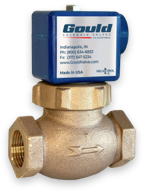
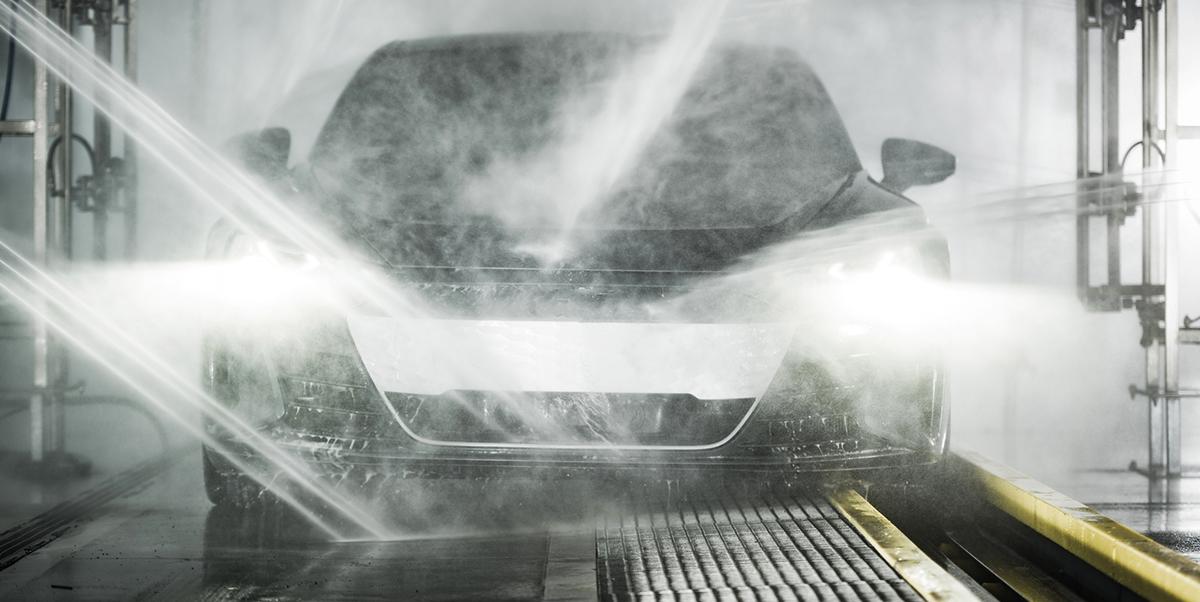
Since 1951, Gould Solenoid Valves has supplied American-made valves to major car and truck wash equipment manufacturers, national wash chains, and municipal fleet services. In these systems, solenoid valves control water, soap, wax, rinse, and air cycles, supporting key components from entry to exit.
Whether regulating a wax application or powering a dryer cycle, solenoid valves are often the unsung heroes of system performance. When one fails, it can bring your entire operation to a halt. That’s why regular inspection and maintenance are vital.
Preventative Maintenance Tips for Car Wash Operators
Car wash systems involve complex equipment that, if left unchecked, can be costly to repair or replace. Routine maintenance reduces downtime, extends the lifespan of your system, and ensures consistent service for your customers.
How Often Should Maintenance Be Performed
A structured schedule including daily, weekly, monthly, and yearly tasks helps you stay ahead of wear and tear. While not all components require daily service, consistent attention makes it easier to catch small problems before they become major failures.
Daily Maintenance
Start each day by running two cycles, one dry, one with a vehicle, to verify full system operation. Inspect:
- Site and building condition
- Pay stations
- Key machinery: conveyors, rails, arches, wheel cleaners, curtains, and blowers
Also, restock soaps and chemicals and do a full end-of-day inspection for signs of wear or performance loss.
Weekly Maintenance
- Drain and grease mechanical fittings
- Lubricate guide rails and bearings
Monthly Maintenance
- Check electrical motors and control panels
- Inspect pay stations for connectivity issues
- Test solenoid valve operation under normal use conditions
Annual Maintenance
- Replace consumables like filters and air blower components
- Conduct a full system inspection
- Regrease all bearings
Solenoid Valves: Small Components, Major Impact
Solenoid valves regulate the flow of fluids, air, soap, and wax with precise electromagnetic control. A worn or damaged solenoid valve can cause poor spray performance, product waste, and unplanned shutdowns.
How to Perform Basic Solenoid Valve Maintenance
- Shut off system power and depressurize fluid lines
- Locate and inspect the valve for damage, worn leads, or coil burn
- Remove the coil and access the valve internals
- Inspect bore and piston assembly for debris or blockage
- Confirm voltage with an amp reading
- Clean internal components and orifices
- Rebuild the valve with OEM parts; reinstall coil
- Restore power and verify proper valve function
Always follow your manufacturer's guidelines. For Gould Solenoid Valves, consult bulletin 3-OP or our maintenance video at gouldvalve.com.
Stocking Spare Parts Prevents Downtime
We strongly recommend keeping at least one rebuild kit and coil per solenoid valve on hand. Gould offers complete rebuild kits that allow you to service valves in-line, avoiding delays. Being prepared lets you make immediate repairs and maintain operational uptime, even during unexpected failures.
Consistent Maintenance = Smoother Operation
Unchecked solenoid valve issues can result in severe leaks, inefficient fluid use, or full system shutdown. Incorporating valve checks into your regular maintenance routine protects both your investment and your revenue.
Bottom Line: Don’t Overlook Solenoid Valves
Car and truck wash operators have countless moving parts to manage. Don’t let solenoid valves become a weak link in your system. Schedule regular inspections, stock critical spares, and partner with Gould for durable, American-made solutions. Ready for a quote? Contact our team, we’re here for you.