Maintenance Tasks for a Water Treatment Facility
The Role of Solenoid Valves in Water Treatment Systems
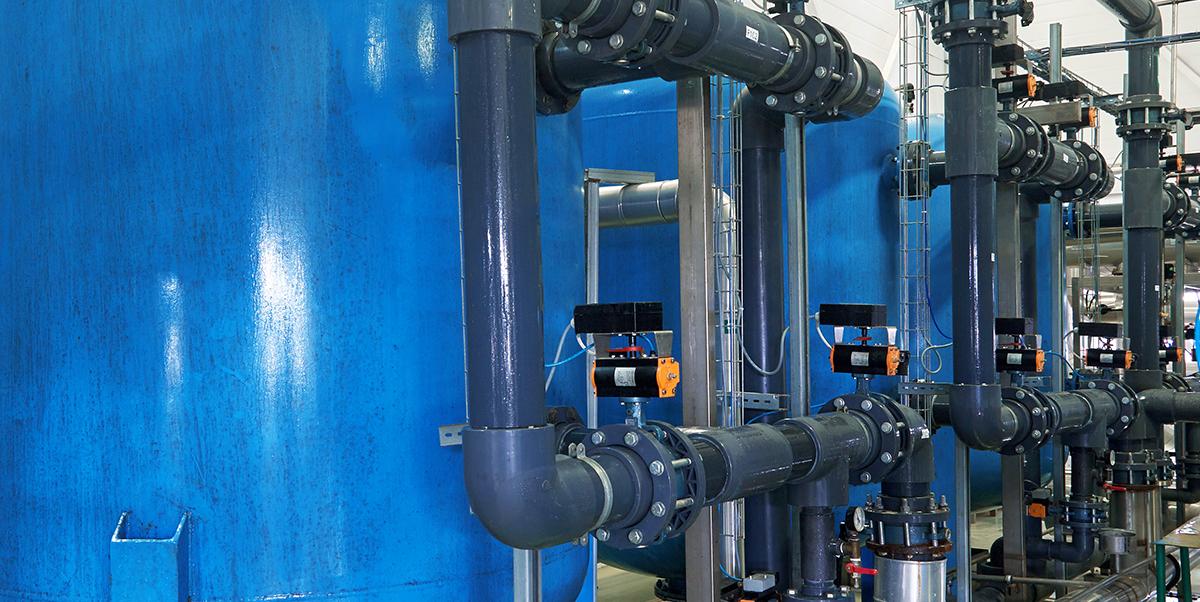
Clean water is fundamental to public health and environmental protection. Water treatment facilities, whether wastewater treatment, desalination, particle filtration, or sewage clarification, are responsible for processing millions of gallons daily. These facilities are built on a complex network of tanks, pumps, filters, pipes, and valves, many of which are aging across the U.S. and worldwide.
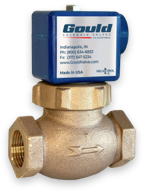
Among these components, solenoid valves play a vital role in regulating the flow of water, sludge, or treatment chemicals. Engineers must ensure that every valve in the system matches the manufacturer’s recommendations for pressure ratings, chemical compatibility, temperature limits, and environmental conditions. A single valve failure can disrupt operations, lead to costly downtime, and risk water quality compliance.
Preventive Maintenance as a Foundation for Reliability
Engineers and operators keep facilities running smoothly by adhering to routine inspections and preventive maintenance. Below is a structured checklist of tasks that are commonly included in water treatment operations and maintenance manuals.
Daily Tasks
- Check and record chemical solution tank levels
- Inspect chemical feed pumps
- Record chlorine residual at the point of application and in the distribution system
- Inspect booster pump stations and well pumps
- Record pump cycles and running times
- Check instrumentation for proper signals
- Inspect heaters during winter months
Weekly Tasks
- Inspect chlorine and fluoride testing equipment
- Clean pump houses and grounds; confirm fire hydrants are accessible
- Record pumping rates for each well or source water pump
- Conduct site security inspections
Monthly Tasks
- Record and review electric meter readings
- Collect water quality samples for lab testing
- Measure static and pumping levels of wells
- Read and compare customer meters against production totals
- Inspect well heads and lubricate locks
- Verify on-site readings against laboratory results
Semi-Annual and Annual Tasks
- Inspect, clean, and calibrate chemical feed pumps (O-rings, diaphragms, check valves)
- Operate all valves inside treatment plants and pump houses
- Exercise mainline valves and flush distribution systems
- Inspect and repair control panels
- Inspect and clean chemical feed lines and solution tanks
- Inspect storage tanks for defects and sanitary concerns
- Review and update emergency response and water loss mitigation plans
- Identify energy conservation and water efficiency opportunities
- Prepare systems for seasonal changes (e.g., winterization)
- Contact an electrician to evaluate motor performance and running amps on well pumps
Solenoid Valve Maintenance in Water Treatment Facilities
While often overlooked, solenoid valves are small components with a large impact. In water treatment facilities, they help automate dosing, regulate flow, and provide shutoff capability across treatment stages. Regular inspection should include:
- Verifying valve response to electrical signals
- Inspecting coils for overheating or wear
- Checking for leaks or seal degradation
- Cleaning valve orifices of debris or buildup
Keeping spare solenoid valve repair kits and coils on hand allows operators to make quick in-line repairs without waiting for replacement parts.
The Importance of Water Treatment Centers
Water treatment facilities are critical infrastructure, and their performance depends on consistent preventive maintenance. By following structured daily, weekly, monthly, and annual tasks—and paying attention to solenoid valve performance, operators can extend equipment lifespan, reduce downtime, and maintain reliable clean water delivery.
For more detailed guidance, consult epa.gov or contact local regulatory authorities.